



Complete Guide to Materials for Contemporary Outdoor Design Planters
When designing a high-end outdoor space—whether a private garden, a panoramic terrace, or a contract environment—the choice of planter is never neutral.
It becomes a decision that involves aesthetics, functionality, durability, sustainability, and overall design identity.
Among today’s most widely used options, two materials stand out for their fundamentally different characteristics: rotational-molded polyethylene and traditional terracotta.
Understanding their differences is key to guiding a project toward solutions that align with architectural context, maintenance requirements, and contemporary aesthetic expectations.
In this landscape, Serralunga’s collections of outdoor design planters represent a benchmark for those seeking advanced, high-performance, and visually distinctive solutions.
→ Discover the full collection of design planters:
https://serralunga.com/collections/planters
Pillar Topic: Materials for Contemporary Outdoor Planters
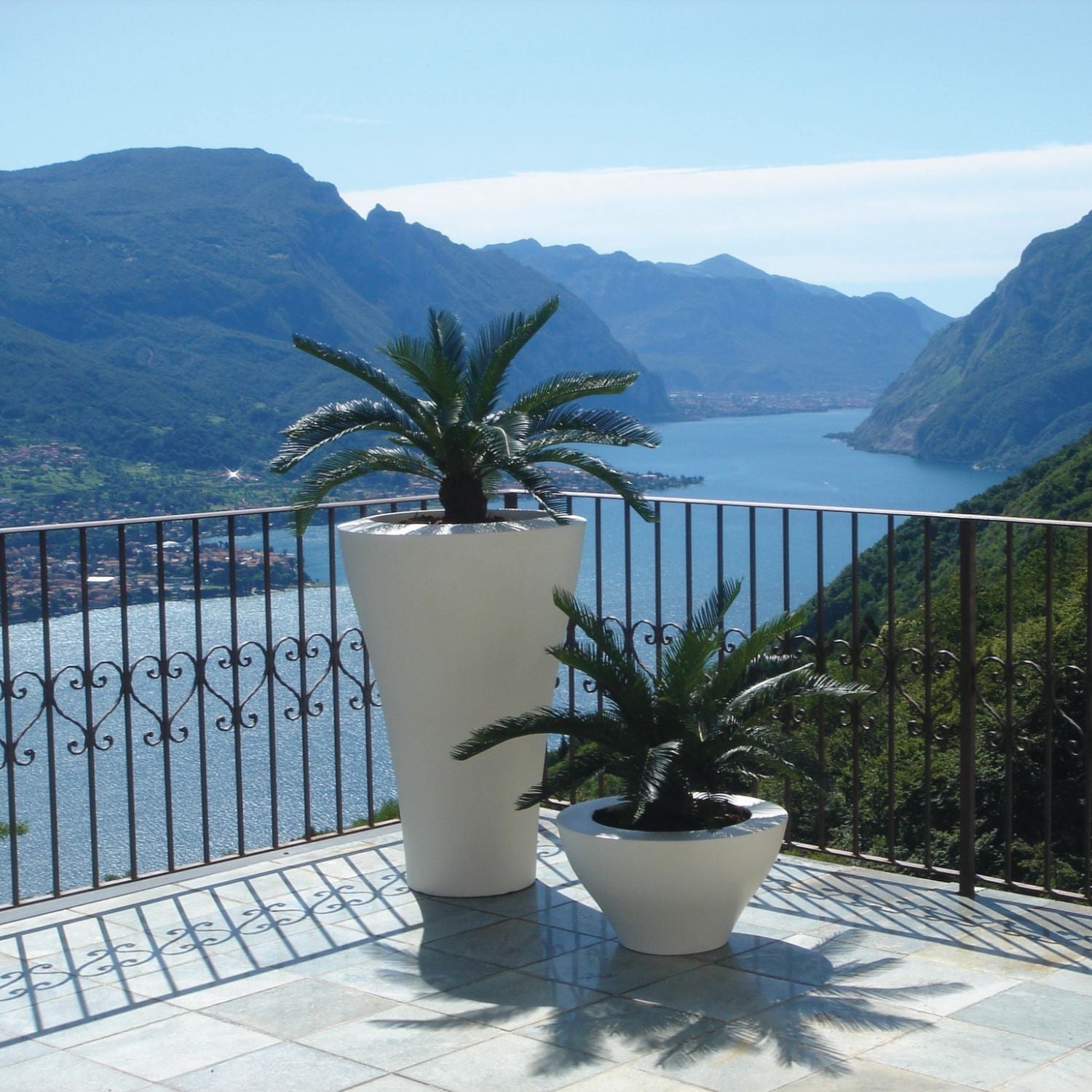
The Planter as an Architectural Element in Landscape Design
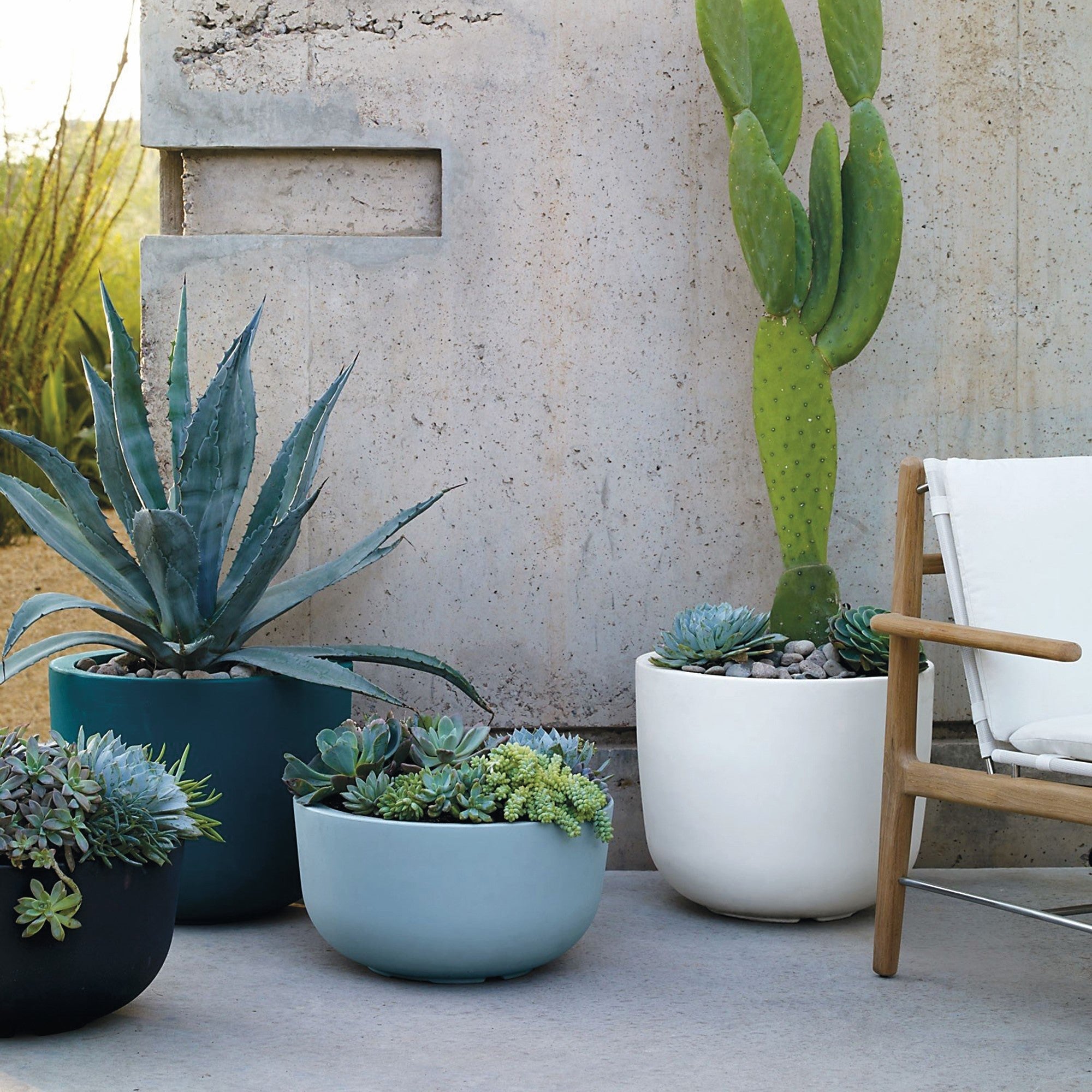
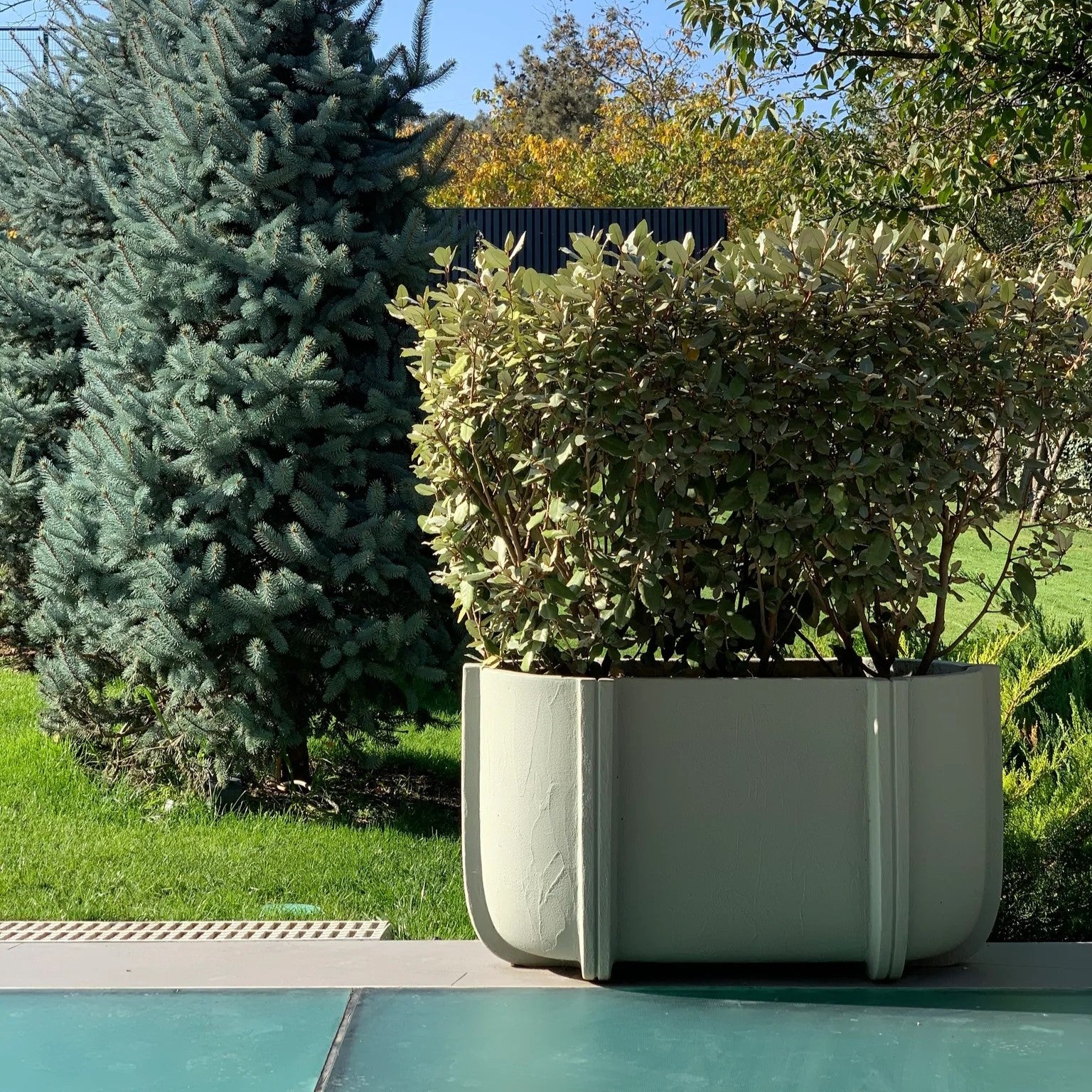
In contemporary outdoor design, the planter is no longer just a container for ornamental plants.
It has become a design tool capable of:
- defining spatial volumes
- creating visual separations
- structuring pathways and hierarchies
- enhancing terraces and urban rooftops
- integrating vegetation with architecture
This evolution has transformed material selection, favoring solutions that combine technical performance with formal freedom.
Terracotta Planters: Materiality, Tradition, and Mediterranean Identity
Characteristics of Terracotta Planters for Outdoor Use
Terracotta is one of the oldest materials used in gardening and outdoor furnishing.
Its widespread use is deeply rooted in cultural, climatic, and landscape traditions.
Advantages of Terracotta Planters
- High breathability
- Natural, tactile aesthetic
- Seamless integration in historic or rustic settings
- Stability due to weight
A Mediterranean garden with olive trees, natural stone, and aromatic plants finds a coherent visual language in terracotta.
Technical Limitations of Terracotta
- Structural fragility under impact
- Risk of cracking due to frost and temperature fluctuations
- Significant weight in large formats
- Higher long-term maintenance
- Moisture absorption and staining
In contemporary urban settings or contract projects, these factors can limit practicality.
Polyethylene Planters: Innovation, Performance, and Design Freedom
Why Choose Polyethylene Planters for Modern Outdoor Spaces
Rotational-molded polyethylene is now one of the most advanced solutions in outdoor design.
Planters made from this material offer a unique combination of:
- weather resistance
- lightweight structure
- aesthetic versatility
- sustainability
- long-term durability
Serralunga collections are designed to merge material technology with refined formal research.
→ Explore contemporary outdoor design planters:
https://serralunga.com/collections/planters
Weather Resistance and Durability
Polyethylene outdoor planters are engineered to withstand:
- UV exposure
- heavy rain
- frost and snow
- extreme heat
- wind and humidity
This makes them ideal for:
- urban terraces
- rooftops
- hospitality environments
- public spaces
- contemporary gardens
Lightweight Structure and Design Flexibility
One of polyethylene’s most significant advantages is ease of handling, which directly impacts space management over time.
It allows you to:
- reconfigure outdoor layouts
- adapt spaces for seasonal events
- simplify logistics and installation
- reduce operational costs
In contract environments, this flexibility becomes a strategic asset.
Sculptural Design and Visual Identity
Polyethylene enables fluid shapes, organic volumes, and contemporary surfaces that are difficult to achieve with traditional materials.
The planter becomes:
- an iconic element
- an architectural statement
- a branding tool
- a narrative component of the space
Serralunga collections embody this vision through a distinctive design language.
→ Discover design planters for outdoor projects:
https://serralunga.com/collections/planters
Direct Comparison: Polyethylene vs Terracotta
Which Material Should You Choose for Outdoor Planters?
Terracotta
✔ Traditional aesthetic
✔ Natural breathability
✔ Strong fit in historic contexts
✖ Fragility
✖ Heavy weight
✖ Higher maintenance
Polyethylene
✔ Weather resistance
✔ Lightweight
✔ Contemporary design
✔ Long-lasting durability
✔ Recyclability
✖ Less tactile appeal in rustic settings
FAQ – Frequently Asked Questions
What is the best material for outdoor planters?
It depends on the design context. Terracotta is ideal for traditional and landscape-driven environments, while polyethylene is better suited for contemporary spaces thanks to its durability, lightness, and weather resistance.
Do polyethylene planters resist sun exposure?
Yes. Rotational-molded polyethylene used in outdoor design planters is engineered to withstand UV rays and maintain color stability over time.
Are terracotta planters more natural for plants?
Terracotta promotes soil breathability, but it requires more maintenance and can deteriorate with frost and moisture.
Which planters are best for urban terraces?
Polyethylene planters are generally more suitable due to their light weight, weather resistance, and design flexibility.
Are polyethylene planters sustainable?
The LLDPE used in outdoor design products is recyclable and designed for long-term use, reducing the need for frequent replacement.