






Rice Husks: Sustainable Innovation Between Design and Natural Material
Contemporary living is changing its skin. It is no longer just a matter of aesthetics, but a balance between wellbeing, materials, and environmental impact. It is within this context that the collaboration with Ricehouse takes shape: a pioneering company developing construction materials from by-products of the rice supply chain.
At the heart of this vision lies a key concept: the “third skin.”
The home is no longer simply a place to live, but an extension of the body, capable of influencing health, comfort, and quality of life.
From Nature to Innovation: What Are Rice Husks?
Rice husks are the outer coating of the grain, separated during the rice milling process. Traditionally considered a waste material destined for combustion, they are now being reinterpreted as a resource with high technological value.
This natural material offers particularly interesting characteristics:
• excellent insulating properties
• structural lightness
• resistance to humidity
• renewable and local origin
Rice, grown in the areas between Vercelli and Novara, thus becomes part of a virtuous cycle that transforms an agricultural by-product into a raw material for design and architecture.
Circular Economy and Design: A New Paradigm
The meeting of industrial technology and organic matter gives rise to a circular production model.
This is not simply about recycling, but about completely rethinking the life cycle of materials.
The recovery of rice husks:
• reduces waste within the agricultural supply chain
• limits emissions caused by combustion
• introduces new design possibilities
This approach fits perfectly within Serralunga’s philosophy, which has always been focused on material experimentation and innovation in the world of design.
Polyethylene and Rice Husks: A New Material for Design
The real innovation comes from the combination of:
• polyethylene processed through rotational moulding
• rice husks in varying proportions
The result is a new family of products that combines:
• strength and durability
• lightness and practicality
• a warm, tactile, material-rich aesthetic
This blend creates surfaces with a natural tone, soft to the eye and to the touch, accompanied by a subtle organic scent that recalls the material’s origin.
Planters, Furniture, and Lighting: When Design Becomes Regenerative
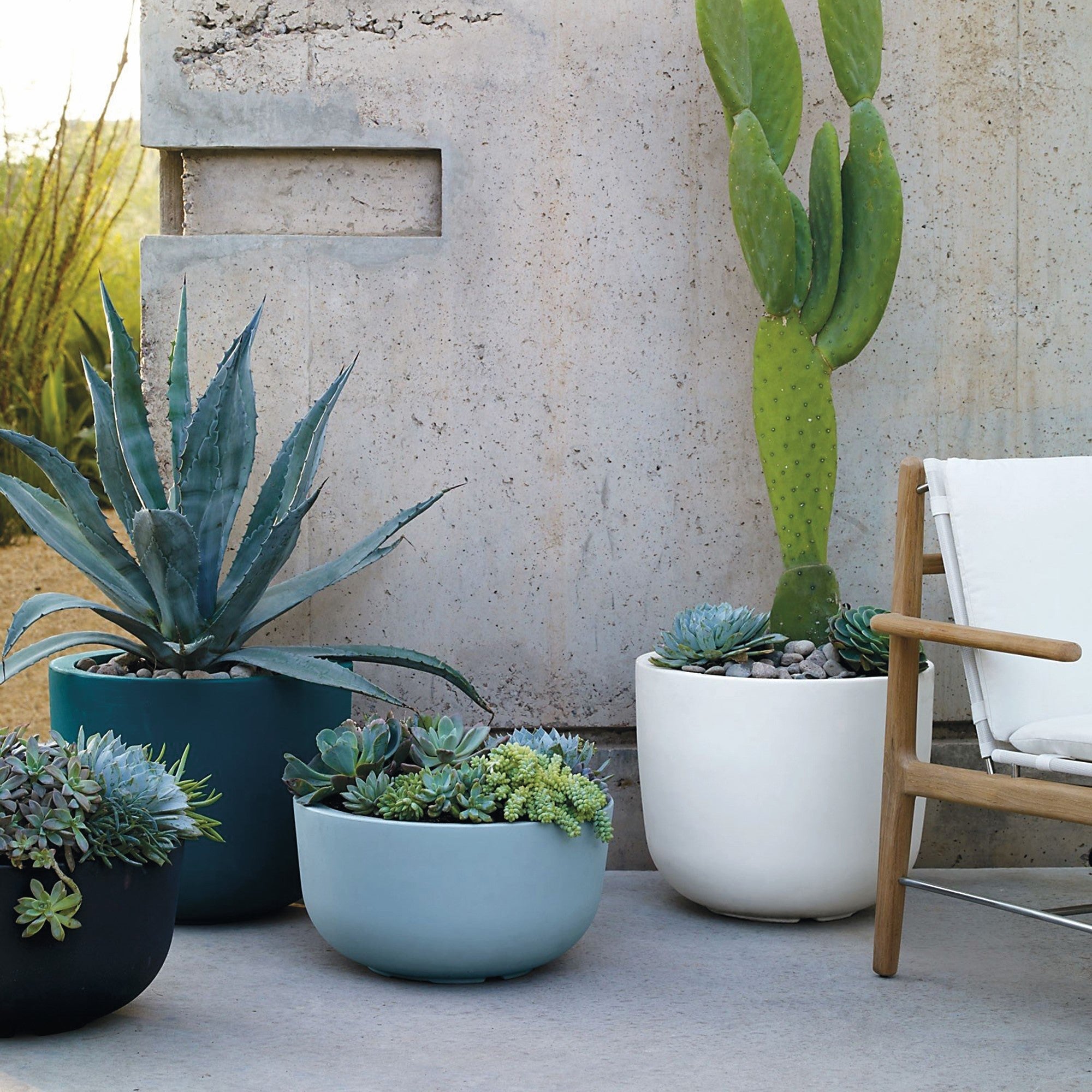
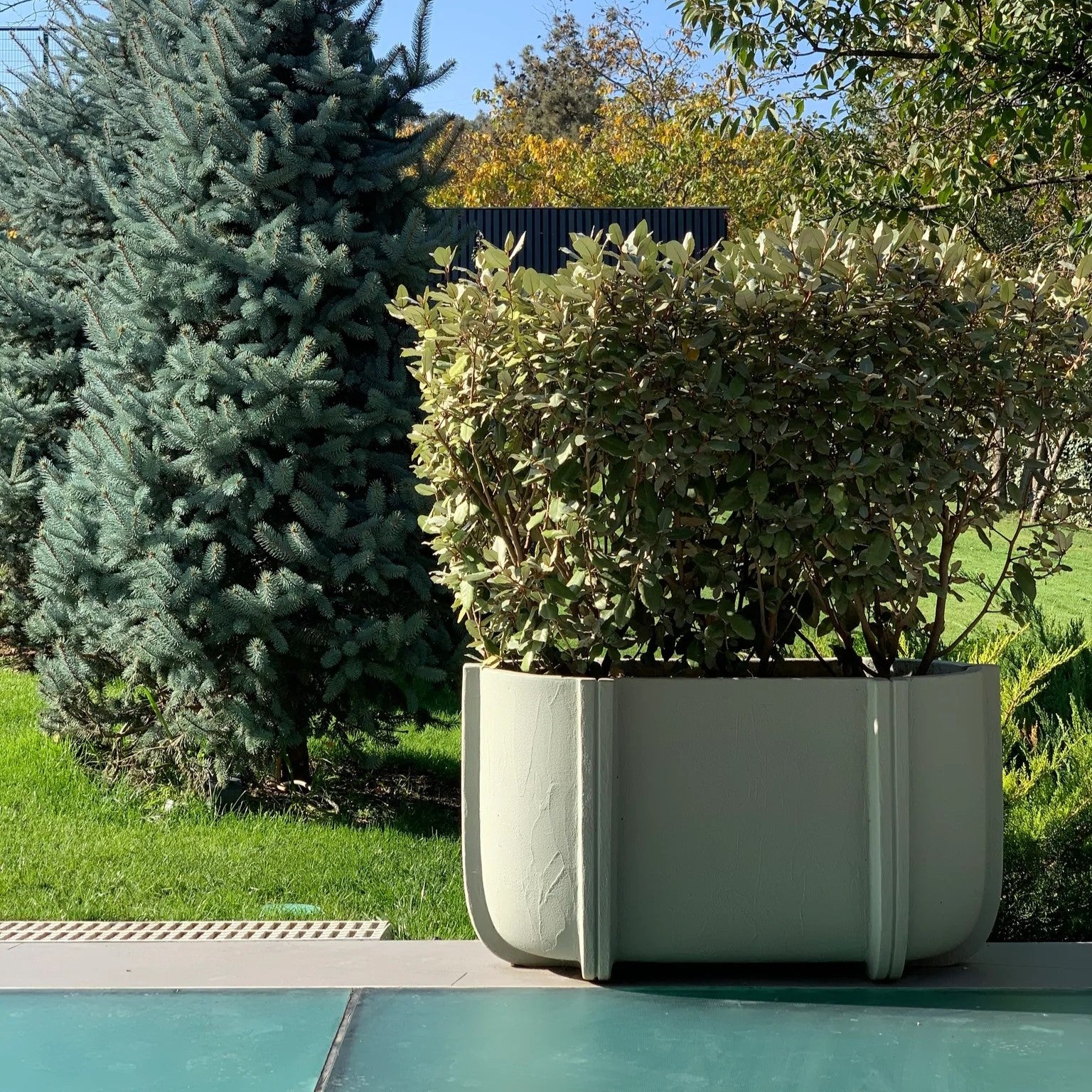
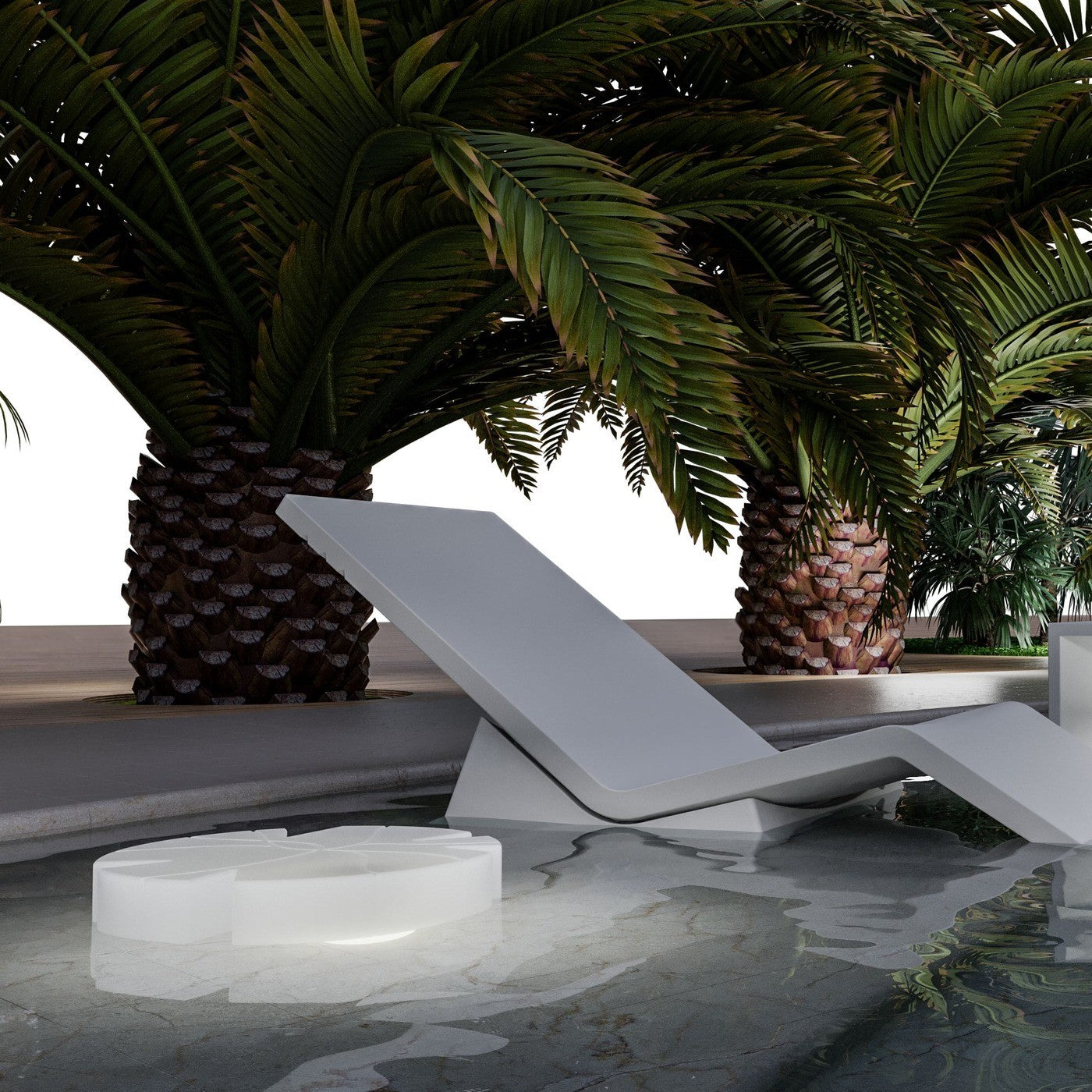
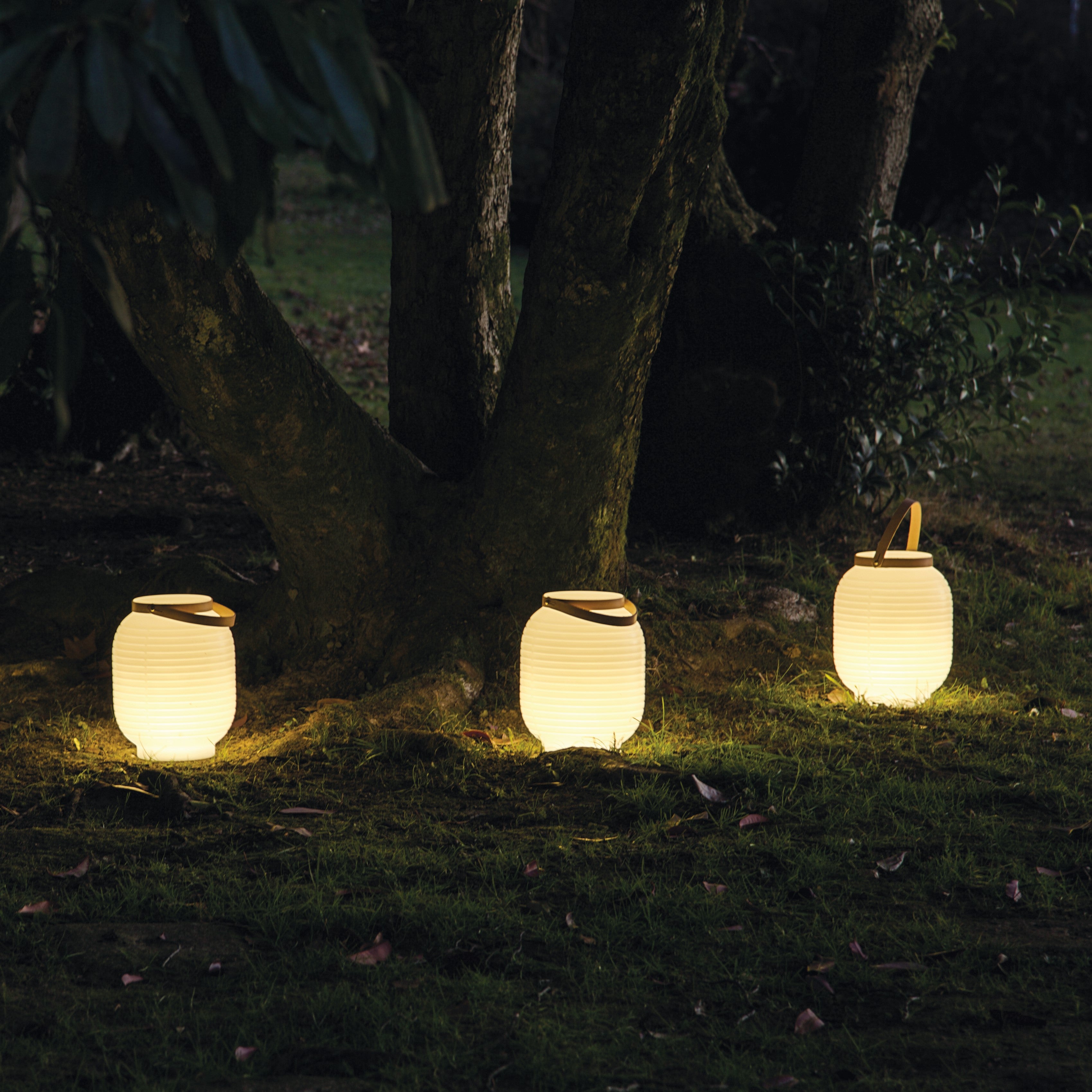
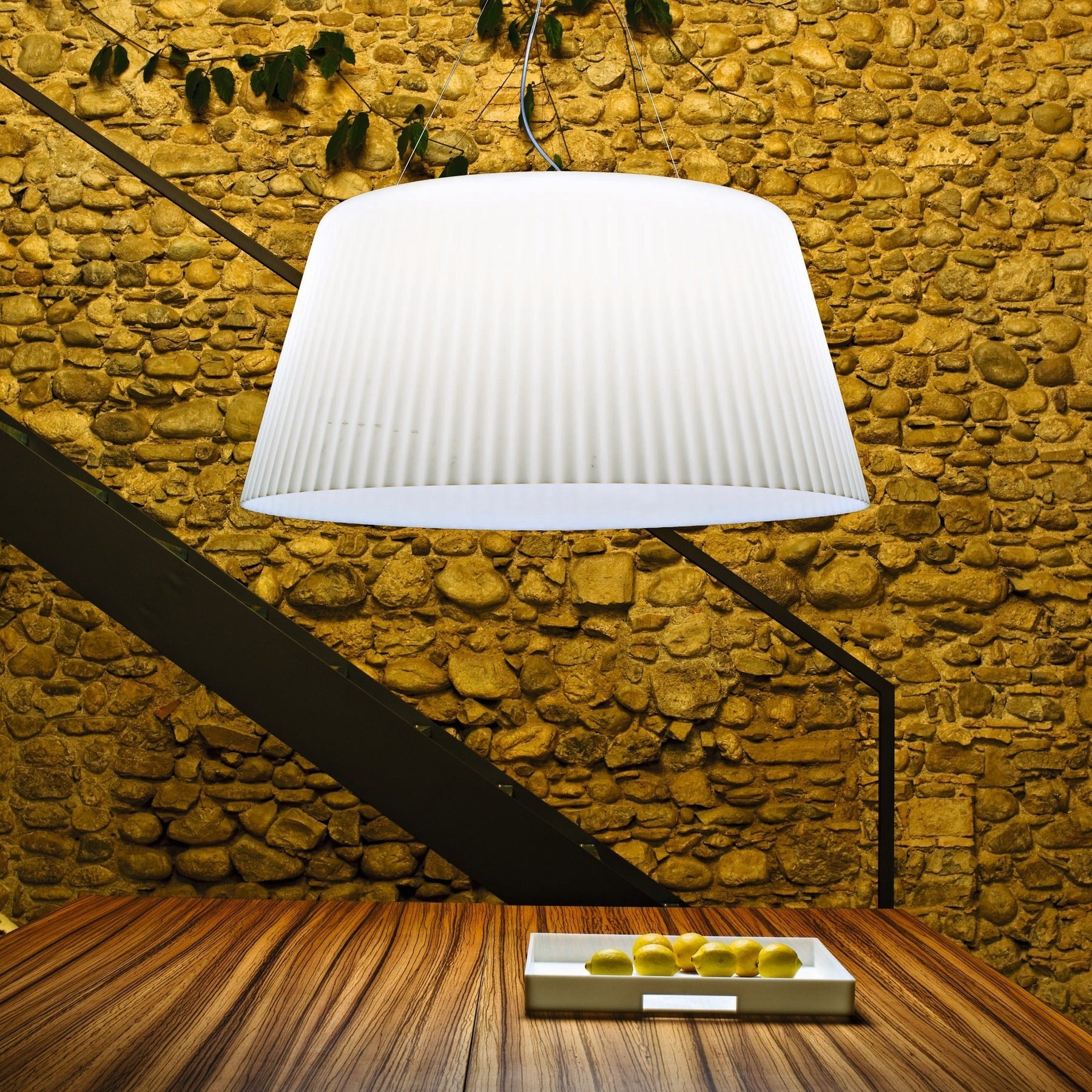
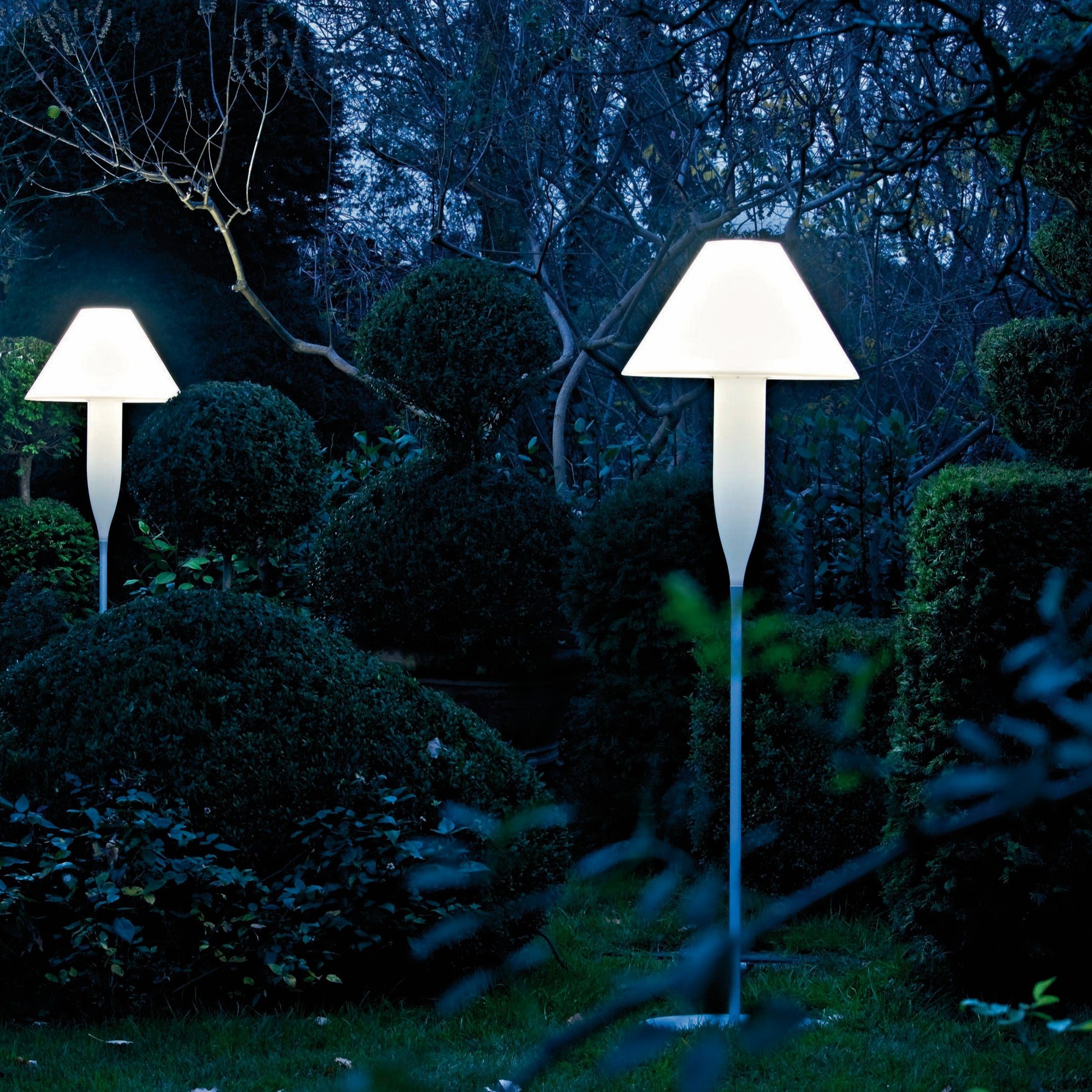
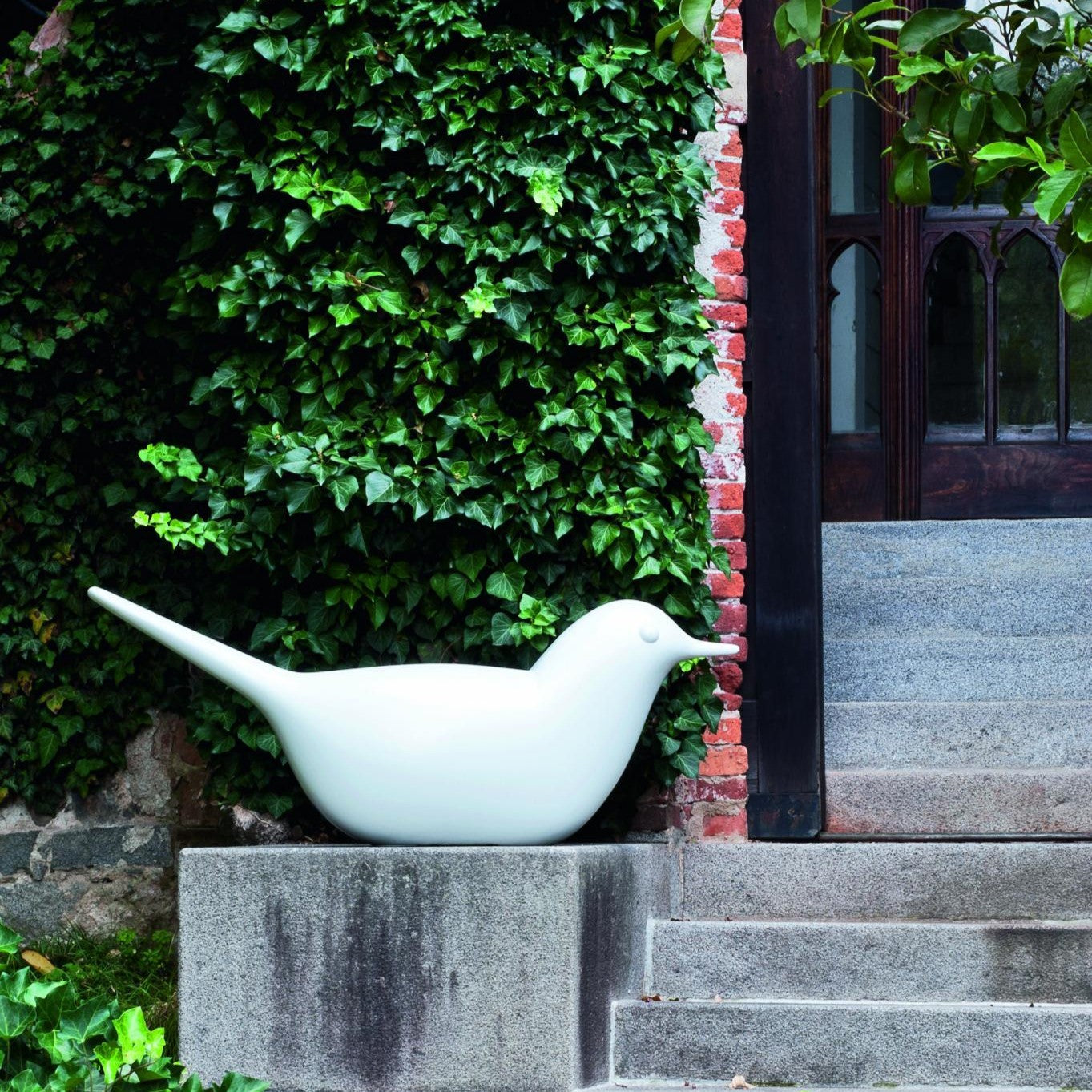
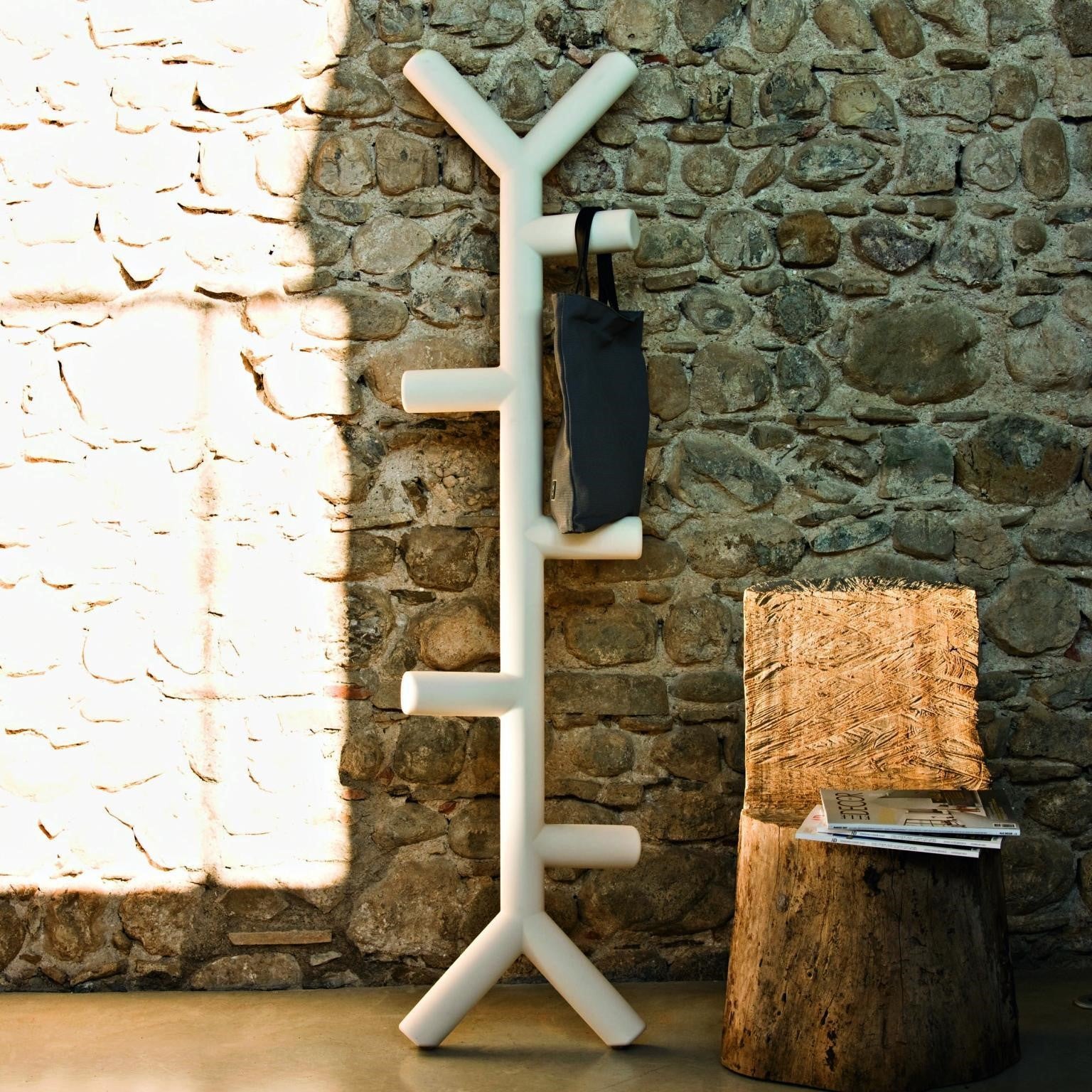
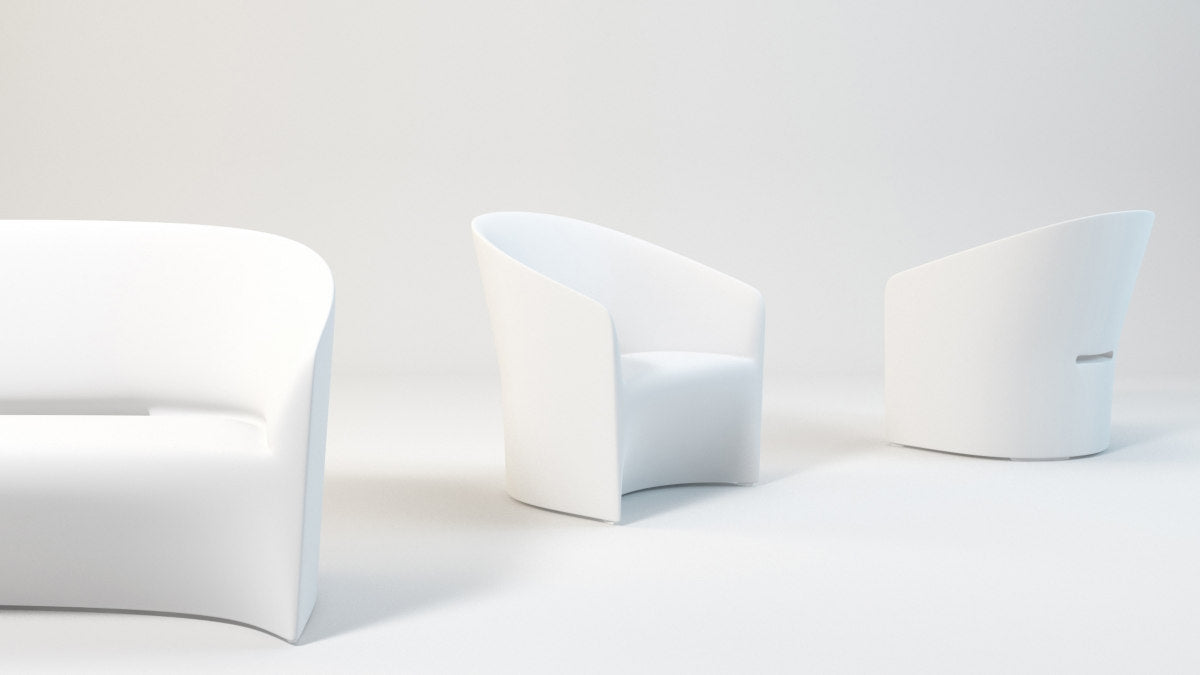
Serralunga reinterprets some of its iconic products—planters, furniture, and lighting solutions—through this new material composition.
This is not merely an aesthetic variation, but a design evolution that:
• integrates sustainability and performance
• enhances the sensory quality of objects
• strengthens the connection between design and place
The final product thus becomes part of a broader system: a form of design that does not simply occupy space, but helps to regenerate it.
The “Third Skin”: Conscious Living
The concept developed by Ricehouse redefines the relationship between people and the built environment.
The home, as a “third skin”:
• protects
• breathes
• interacts with its environment
Applying this principle to furnishing elements means extending wellbeing beyond architecture, all the way to the objects that inhabit our spaces every day.
Why Choose Rice Husk-Based Materials
Integrating innovative natural materials into design offers tangible advantages:
• reduced environmental impact
• enhancement of local supply chains
• improved sensory comfort
• a distinctive, contemporary aesthetic
It is a choice that brings together responsibility and research, without compromising on quality or durability.
FAQ – More About Rice Husks
What exactly are rice husks, and why are they useful in design?
Rice husks are the outer shell of the grain, usually regarded as a waste material. Thanks to their insulating properties and lightness, they can be transformed into an innovative material for construction and furnishings.
Are rice husks durable over time?
Yes. When combined with polyethylene through advanced industrial processes, they help create durable products that are also suitable for outdoor environments.
Is this material genuinely sustainable?
Yes, because it comes from a local agricultural by-product and reduces the need for disposal through combustion, thereby lowering emissions.
Can you really notice a natural scent?
In some cases, yes. The organic component can give off a delicate natural note, distinctive yet subtle.
Is it suitable for both indoor and outdoor use?
Absolutely. When combined with polyethylene, it offers resistance to weather, humidity, and changing climatic conditions.